Source Modern Design Ceramic Flower Vase for Home Decor, Gifts, and Events
Compare 30 modern design ceramic flower vase options from verified suppliers. Buyers can evaluate styles, sizes, and customization features for home decoration, gifts, and promotional events.
Key considerations
Products List


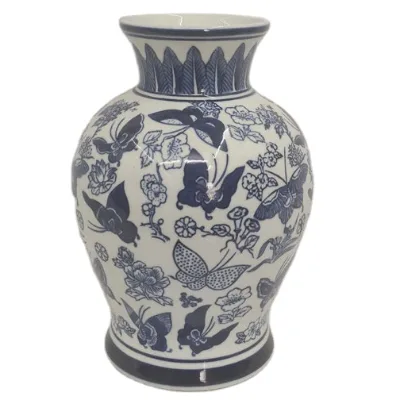

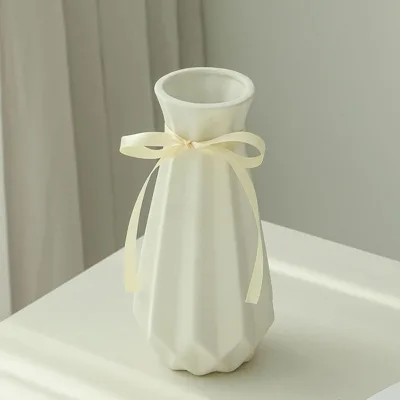


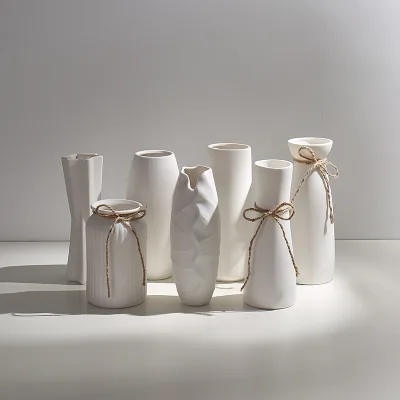

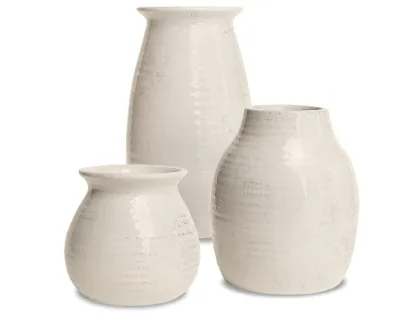


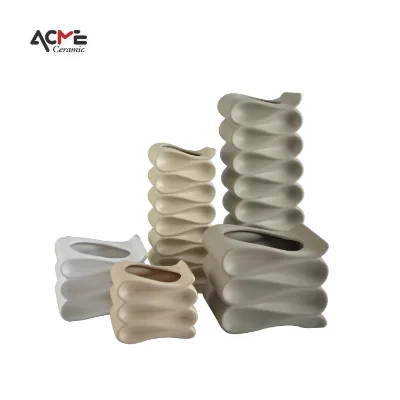
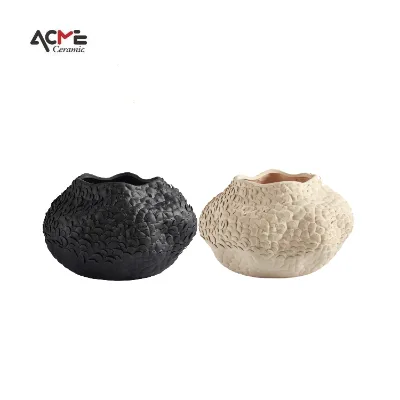
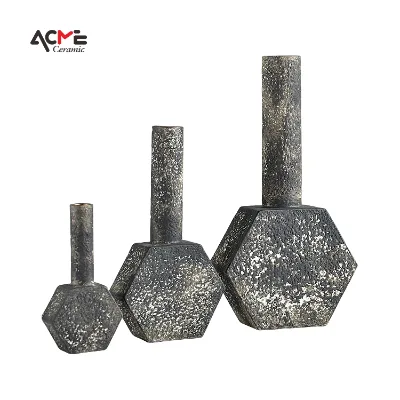


Comprehensive Sourcing Guide
Sourcing Modern Design Ceramic Flower Vases: A Strategic Procurement Guide
The global market for home decor has seen a sustained shift toward modern aesthetics, with ceramic flower vases serving as a central element in interior design strategies. For B2B buyers, sourcing these items requires a nuanced understanding of material science, manufacturing processes, and supply chain logistics. The following guide synthesizes available product attributes and industry standards to provide a disciplined framework for procurement. This analysis focuses on the intersection of "modern design" and "ceramic" materials, drawing from observed product data to inform decision-making without relying on unverified external claims.
Material Composition and Manufacturing Processes
The foundation of any ceramic vase procurement lies in the specific material composition and the processing techniques employed. The observed product data indicates a diverse range of materials, with "Ceramic & Porcelain" and "Glass" being the primary categories. Within the ceramic segment, specific formulations such as "Lithium Porcelain & Magnesium" have been identified, suggesting a focus on enhanced durability and specific thermal or mechanical properties. Buyers must verify that the supplier's material specifications align with the intended application, whether for heavy floral arrangements or delicate decorative displays.
The processing methods vary significantly across the supply base. The data highlights "Blown" processes, which typically refer to glass manufacturing, yet are sometimes conflated with ceramic shaping in broad listings. More critical for ceramic vases are the surface treatments and finishing techniques. Attributes such as "Color Glazed," "Glazed" surface decoration, and "Scenery" patterns indicate that the aesthetic value is heavily dependent on the glazing process. The "High Toughness" characteristic observed in some listings suggests that the firing temperature and cooling rates are optimized to prevent chipping and cracking, a crucial factor for vases intended for high-traffic environments like restaurants or markets.
When evaluating suppliers, procurement teams should request detailed material safety data sheets (MSDS) and technical sheets that specify the exact chemical composition of the glaze and the clay body. The presence of "Lithium Porcelain & Magnesium" implies a specialized formulation that may offer superior strength compared to standard earthenware, but this must be confirmed through batch testing rather than assumed from marketing descriptions.
Technical Specifications and Dimensional Standards
Precision in technical specifications is paramount for modern design vases, as they often serve as architectural elements within a room. The observed data reveals a wide spectrum of dimensional standards, ranging from "Small" to "Large" sizes, with specific measurements provided in various formats. For instance, some models are defined by height and diameter, such as "14.5x20cm H" or "16*16.5cm H," while others provide more complex geometric data like "Top Dia. 2xW7.5xH13.5cm" or "Dia. 8xBottom15xH22cm."
The variability in sizing, from "Small" to "Large," necessitates a rigorous verification process during the sampling phase. Buyers should not rely solely on the "as Shown in The Picture" specification, as visual perception can be misleading regarding scale. Instead, procurement protocols must mandate the submission of detailed CAD drawings or physical samples with precise caliper measurements. The "Modern" and "Creative" style attributes often correlate with irregular shapes, such as the "Irregular" shape noted in the data, which introduces additional complexity in quality control.
A comparison of common specification formats helps clarify the requirements for different product lines:
| Specification Type | Example Data Point | Procurement Verification Requirement |
|---|---|---|
| Height/Width | 14.5x20cm H | Verify overall height and rim diameter with calipers. |
| Complex Geometry | Top Dia. 2xW7.5xH13.5cm | Measure top opening, widest point, and total height. |
| Shape Classification | Irregular, Round | Assess symmetry and balance against design intent. |
| Size Category | Small, Large, M | Cross-reference with packaging dimensions for logistics. |
Buyers must also consider the "prod_packing" attributes, which range from "Carton" to "Paper Carton." The packaging standard directly impacts the protection of the vase during transit, especially for items with "High Toughness" claims that might still be susceptible to impact damage if not properly cushioned.
Compliance, Certification, and Quality Standards
Navigating the compliance landscape for ceramic products requires distinguishing between material standards and process certifications. The observed data lists "Ceramic" as a product standard, alongside specific quality classifications like "a-B Grade" or "According to Your Requirements." This indicates that quality is often negotiated on a case-by-case basis rather than adhering to a single universal standard. The "a-B Grade" designation suggests a tiered quality system where "A" grade represents premium finish and "B" grade may contain minor cosmetic imperfections acceptable for bulk or promotional use.
While the provided context mentions "bsci" as a low-confidence background element, it should not be cited as a verified certification for any specific supplier. Instead, buyers should proactively request evidence of compliance with relevant international safety standards, particularly regarding lead and cadmium leaching in glazes for items intended for food or drink contact, even if the primary use is decorative. The "Quality Standard" field often defaults to "Customized," which places the onus on the buyer to define acceptable tolerances for color variation, glaze thickness, and structural integrity.
For suppliers operating in China, as indicated by the "prod_origin" attribute, buyers should verify adherence to local manufacturing regulations and any export-specific requirements of the destination country. The "Customized" standard implies that suppliers are flexible, but this flexibility must be balanced with strict contractual quality control agreements to ensure consistency across large orders.
Cost Drivers and Economic Factors
The price range observed in the market spans from $0.65 to $33.50 USD, reflecting a vast disparity in product value. This wide range is driven by several key factors: material complexity, manufacturing process, customization level, and order volume. The lower end of the spectrum likely corresponds to mass-produced, standard-sized vases with simple "Color Glazed" finishes and minimal customization. Conversely, the higher end is associated with specialized materials like "Lithium Porcelain & Magnesium," complex "Scenery" surface patterns, and bespoke "Customized" dimensions.
The Minimum Order Quantity (MOQ) also plays a significant role in unit pricing. The observed MOQ range of 10 to 3000 units suggests that suppliers offer tiered pricing structures. Small MOQs of 10 units are typically reserved for custom or prototype orders, commanding a higher per-unit cost due to setup and tooling expenses. Larger orders, approaching 3000 units, benefit from economies of scale, particularly for standard models like "JOL21S080-2" or "1946-20SL."
Buyers should analyze the cost drivers beyond the unit price. The "Customization" attribute, including "Logo: Can Be Customized," adds a layer of cost related to mold creation, screen printing, or hand-painting. Similarly, the "Pattern: Solid" versus "Scenery" distinction affects labor costs, with intricate designs requiring more skilled artisans. The "prod_packing" method, whether "Carton" or "Paper Carton," also influences the final landed cost, as specialized packaging for fragile ceramic items can be a significant expense.
Typical Applications and Market Segmentation
The versatility of modern ceramic vases allows them to serve multiple market segments. The data identifies "Home" as a primary application scenario, with specific uses including "Decorative," "Table Centerpiece," and "Gift." The "Modern" and "Creative" style attributes align well with contemporary residential interiors, where vases act as statement pieces.
Beyond residential use, the "Application Scenario" data points to commercial and institutional settings, including "Kitchen," "Restaurant," "Market," and "Promotion." In these environments, the "High Toughness" characteristic becomes a critical selection criterion. Vases intended for restaurant use must withstand frequent handling and cleaning, while promotional items often require a balance of aesthetic appeal and cost-effectiveness. The "All People" age attribute suggests that these products are designed to be universally appealing, making them suitable for a broad demographic range.
The "Vase Set" and "Table Centerpiece" usage indicates that buyers should consider the modularity of the product line. Sets often provide better value and visual cohesion for bulk buyers, such as event planners or hotel chains. The "Multicolor" and "White" color options further expand the application scope, allowing buyers to match specific interior design themes or corporate branding guidelines.
Supplier Evaluation and Quality Control Protocols
Selecting a reliable supplier for ceramic vases requires a multi-faceted evaluation strategy. Given the "Customization" availability and the "a-B Grade" quality spectrum, buyers must implement a robust supplier qualification process. This includes verifying the supplier's capacity to meet specific "prod_standard" requirements, such as the "Dia. 8xBottom15xH22cm" dimensions or the "14.5x20cm H" height constraints.
Quality control should be integrated into the procurement lifecycle. For items with "Glazed" surfaces, buyers should inspect for uniformity in color application and the absence of pinholes or cracks. The "Scenery" pattern requires a check for alignment and clarity. For "Irregular" shapes, the balance and stability of the vase must be tested to ensure it does not tip over easily. The "High Toughness" claim should be validated through drop tests or impact resistance testing on a sample batch.
Buyers should also assess the supplier's packaging capabilities. The transition from "Carton" to "Paper Carton" may reflect a shift toward sustainability, but the primary concern is the protection of the product. A well-designed packaging system should prevent breakage during transit, which is a common risk for ceramic items. The "prod_packing" specification should be clearly defined in the purchase order to avoid disputes over damaged goods upon arrival.
Long-Term Procurement Considerations
Sourcing modern design ceramic vases is not merely a transactional activity but a strategic partnership that requires long-term planning. The "Customized" nature of many products means that suppliers often invest in tooling and design development for their clients. Buyers should consider the intellectual property implications of custom designs and ensure that agreements protect their brand identity.
The "Age: Everyday" and "Age: Modern" attributes suggest that these products are intended for long-term use rather than seasonal trends. However, the "Creative" and "Modern" style labels indicate a need for continuous innovation. Buyers should work with suppliers who have a track record of updating their designs to reflect current market trends, ensuring that their inventory remains relevant.
Supply chain resilience is another critical factor. With the "prod_origin" being China, buyers should diversify their supplier base to mitigate risks associated with geopolitical tensions, logistics disruptions, or raw material shortages. Establishing a relationship with a supplier who can offer flexible MOQs and rapid turnaround times can provide a competitive advantage in a fast-paced market.
Finally, the "Quality Standard: a-B Grade, or According to Your Requirements" clause highlights the importance of clear communication. Buyers must define their quality expectations explicitly in contracts, specifying acceptable defect rates and the process for handling non-conforming goods. By adhering to these disciplined procurement practices, buyers can secure a steady supply of high-quality, modern design ceramic vases that meet both aesthetic and functional requirements.
FAQs
What materials are used for modern design ceramic flower vases?
The primary materials include Ceramic & Porcelain and Glass. Some specific formulations utilize Lithium Porcelain & Magnesium for enhanced durability. Buyers should verify material safety data sheets to ensure the glaze composition meets their specific application needs.
Can I customize the logo and dimensions of these vases?
Yes, customization is available for logos and specific product dimensions. Suppliers offer options to match requirements like Top Dia. 2xW7.5xH13.5cm or other custom standards. This flexibility allows for tailored branding and sizing to fit unique interior design projects.
How does the MOQ affect the pricing of ceramic vases?
The minimum order quantity ranges from 10 to 3000 units, directly influencing unit pricing. Lower MOQs of 10 units typically command higher costs due to setup expenses, while larger orders near 3000 units benefit from economies of scale and lower per-unit prices.
What quality standards apply to these ceramic flower vases?
Quality standards often follow an a-B Grade system or are customized according to buyer requirements. The a-B Grade designation indicates a tiered system where A grade represents premium finishes. Buyers must define acceptable tolerances for glaze thickness and structural integrity in contracts.
Which processing methods are used to create these vases?
Processing methods include Blown techniques and various surface decorations like Color Glazed or Scenery patterns. High Toughness characteristics suggest optimized firing temperatures to prevent chipping. Surface treatments are critical for ensuring the aesthetic value and durability required for restaurant or home use.